

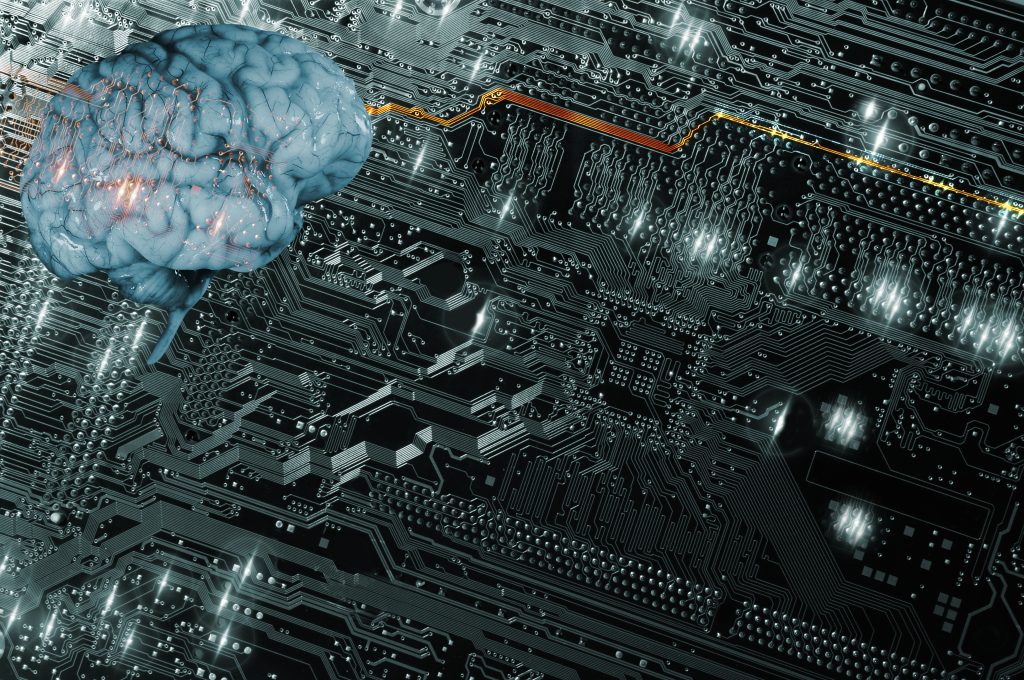
Artificial Intelligence (AI) has become an integral part of our daily lives and workplaces. Its applications are numerous, ranging from personal to professional settings. One area where AI is making significant strides in transforming business operations is through its integration into various industries such as manufacturing or healthcare sectors among others. the impacts on these fields have been immense with increased efficiency levels resulting from automation processes that were previously manual tasks beforehand. However challenges still exist for companies looking towards adopting this technology – including concerns over data privacy issues when using machine learning algorithms alongside other factors like high costs associated with implementing advanced systems. Nonetheless experts predict a bright future ahead for AI’s role within industry- especially given how much potential it holds for further innovations down the line!
AI-Powered Innovations – An Introduction
The use of AI in industry has been around for some time now but recent advancements have made it more accessible and affordable than ever before. With the help from machine learning algorithms, deep neural networks, natural language processing, computer vision, and robotics companies can automate repetitive tasks optimize processes enhance decision making improve customer experience while creating new products or services that were previously unimaginable. These innovations are helping organizations across industries achieve greater efficiency levels by increasing productivity rates with accuracy levels never seen before alongside scalability options like none other! The future is bright when it comes to using AI technology within businesses today – its just a matter of taking advantage of whats available out there right now!
AI’s Impact on Industry
AI is revolutionizing industries across the globe. According to McKinsey’s research up to 800 million jobs could be displaced by automation globally by 2030 – a daunting prospect for many businesses and employees alike. but it also presents an opportunity for companies that are willing to adapt quickly enough. By retraining their staff into higher value roles or hiring new talent with specialized skills such as data scientists, machine learning engineers ,and AI developers they can remain competitive in this rapidly changing landscape . The potential economic benefits of adopting AI technology are staggering: estimates suggest that it could add $15 trillion to global GDP by 2030 alone! It’s clear that those who embrace these changes will have a significant advantage over those who don’t.
AI in Action: Examples
AI has become an integral part of modern industry with numerous applications across various sectors. Amazon’s warehouses are a prime example where robots powered by AI work at lightning speeds to sort and package orders efficiently. In healthcare IBM Watson Health uses this technology for analyzing medical images that aid doctors in diagnosing diseases accurately. Self driving cars rely heavily on AI systems which enable them navigate roads safely while Tesla even utilizes it during vehicle design processes. Chatbots have revolutionized customer service providing instant support 24/7 through their use of advanced algorithms. The potential benefits from incorporating these technologies into business operations are vast, making it imperative for companies to adopt such innovations if they want remain competitive within todays dynamic marketplace.
Business Challenges and Opportunities
The integration of AI technology within industrial settings presents numerous advantages but also poses several challenges. These include substantial investments in terms of time, money and resources required for implementation; complexities associated with integrating new systems into existing infrastructure; ensuring the security and privacy of sensitive data when using advanced technologies; as well as providing employees with adequate training to work alongside these innovative tools effectively. The successful adoption of such cutting edge solutions requires careful consideration of all these factors beforehand.
AI in Industry – The Future
AI has already made significant strides in revolutionizing industries across the board. As it continues to evolve we can expect even greater improvements in efficiency, quality and performance from all sectors that adopt this technology. By leveraging AI businesses will be able more accurately identify patterns previously undetectable while providing customers with personalized experiences like never before seen before. However caution must be taken when implementing such advanced technologies into operations as there are challenges involved too; those who approach adoption strategically early on though stand poised for competitive advantages well beyond their peers’ reach. The future belongs to those willing to embrace change today!

