

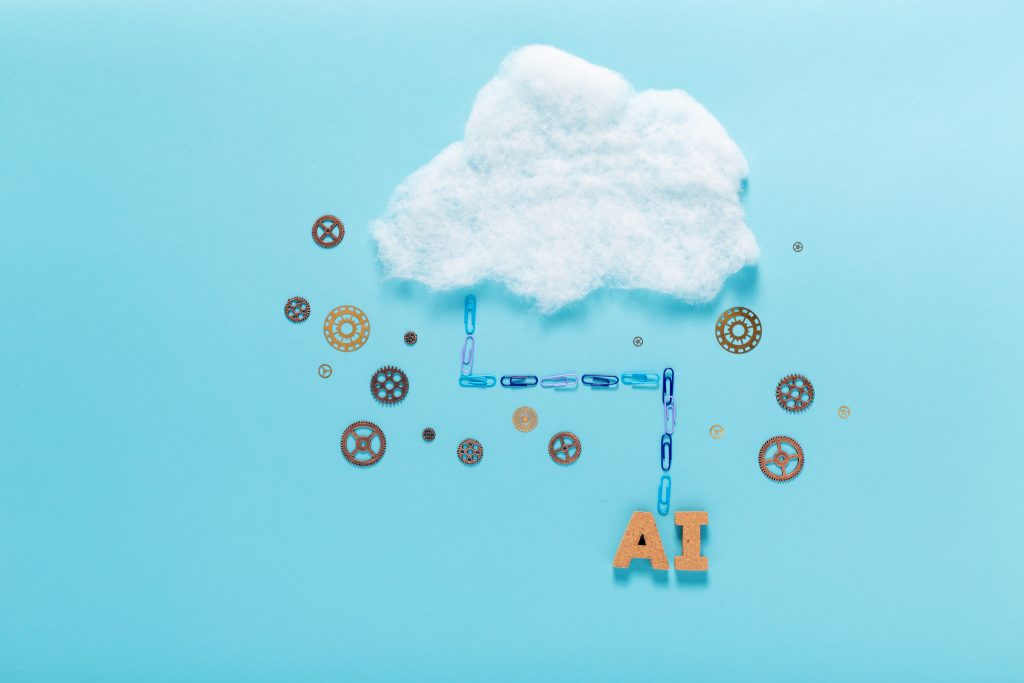
Artificial intelligence (AI) has been a topic of discussion for quite some time now. It enables machines to perform tasks that would typically require human-like thinking and decision making abilities. From self driving cars, voice assistants like Siri or Alexa to personalized recommendations on e commerce websites AI is transforming our world in ways we never thought possible before. This technology continues to amaze us with its capabilities every day!
The world is changing rapidly thanks to the impact of artificial intelligence. In this blog post we’ll explore how AI has transformed industries and businesses improved lives through social good initiatives while also shaping our future workforce. To begin with lets take a brief look at what exactly constitutes artificial intelligence.
An Introduction to Artificial Intelligence
Artificial Intelligence (AI) is a field of computer science that focuses on creating machines capable of simulating human intelligence. This involves programming these devices to perceive their surroundings, reason about them and take actions towards achieving specific objectives. There are several types of AI including rule based systems, machine learning, deep learning, natural language processing as well as computer vision each with its own strengths and weaknesses which can be applied in various use cases. The ultimate goal remains the creation of intelligent agents that possess capabilities similar to those found within humans themselves.
AI – From Science Fiction to Reality
For years AI was confined to the realm of science fiction. But thanks to advances in computing power, big data and algorithms this technology has become a reality today. With its applications ranging from image recognition to natural language understanding – companies have been able empowered with automation capabilities that streamline operations while enhancing customer experiences like never before seen before! The future is bright for those who embrace these technological breakthroughs.
AI’s Impact on Industries and Businesses
AI has been instrumental in disrupting traditional business models and creating new opportunities for growth. Chatbots powered by AI have revolutionized customer service by providing immediate assistance with ease. In healthcare diagnoses are becoming more accurate thanks to the use of AI technology while fraud detection systems utilizing this same tech are being used effectively within finance industries worldwide. The potential uses for AI seem endless – we’ve only just begun exploring what it can do!
AI for Social Good – Improving Lives with Technology
AI has proven itself as a powerful tool for addressing global challenges such as poverty, hunger and disease. By leveraging AI powered tools farmers can increase crop yields while reducing waste leading to improved food security measures. Similarly in healthcare early detection of diseases like cancer through analyzation using medical images is made possible by this technology which leads towards better treatment outcomes. The use of AI also extends beyond these areas – it helps governments monitor environmental conditions accurately predict natural disasters allowing them respond faster saving lives effectively. Overall we see that incorporating AI into our systems brings about significant positive impact on society’s well being.
AI and the Future of Work
The rapid development of AI has sparked concerns about its impact on employment. While it is true that some jobs may become obsolete due to automation, there are also opportunities for new job creation in this field. For instance, experts with specialized knowledge and skills will be needed for designing, developing and maintaining these systems effectively. Additionally, by augmenting human abilities through machine learning algorithms workers can achieve greater productivity levels than ever before. Therefore instead of fearing the future we should embrace change and prepare ourselves accordingly.
AI – Promise and Peril
AI has revolutionized our world in ways that were once unimaginable. Its potential benefits are numerous but so too are its risks. As we continue to advance this technology it is crucial that we do so responsibly and ethically. We must establish clear guidelines for AI development and implementation while keeping the human element at heart – after all, AI exists solely as a tool meant to serve us rather than replace us entirely. making sure that happens requires careful consideration of how we approach these technologies moving forward.

