

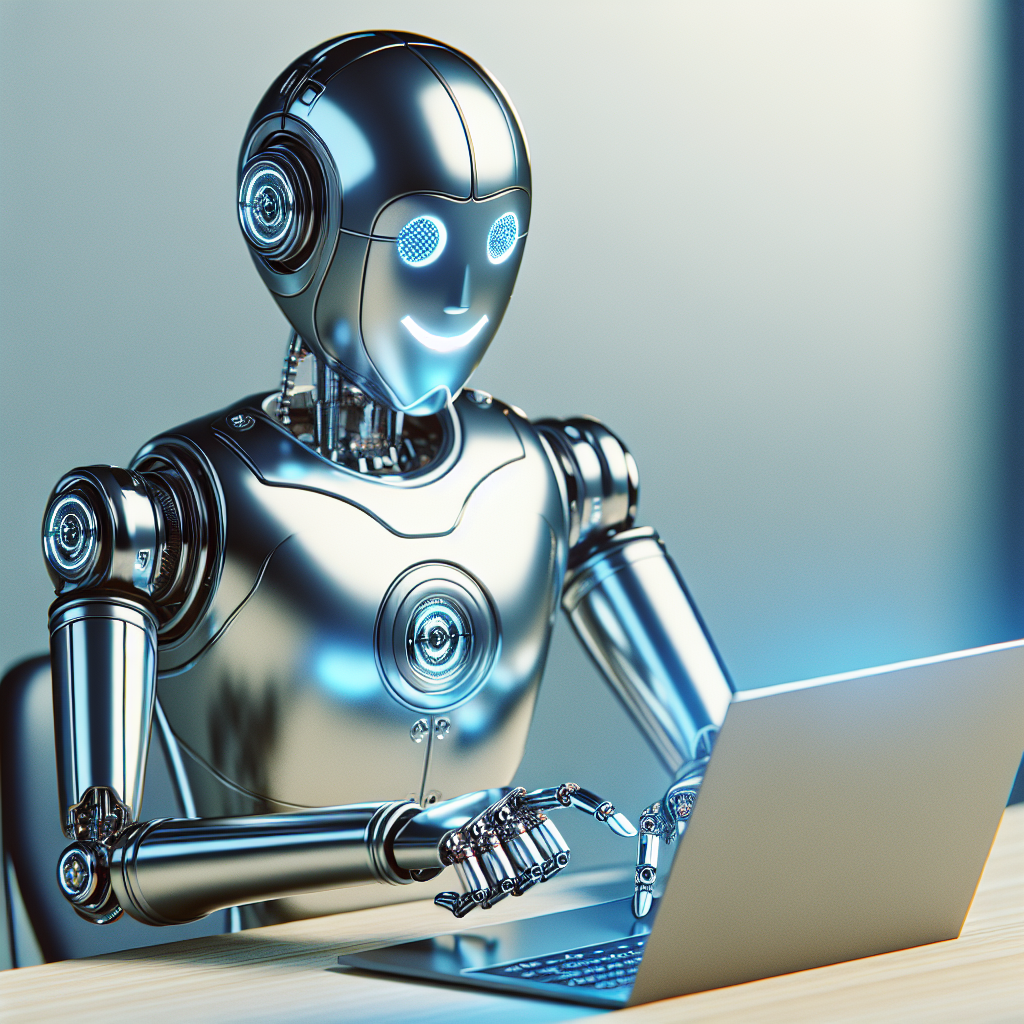
Artificial intelligence has made significant strides since its inception and is currently transforming our world at an unparalleled pace. From self driving cars to personal assistants like Siri or Alexa we are surrounded by AI technologies that have become integral parts of daily life. But what does the future hold for artificial intelligence? In this blog post we will explore how AI is shaping both present day society as well as tomorrow’s world.
The History of AI and Its Impact
AI has been around for some time now but it wasn’t until recently that its potential as a game changer became evident across various industries. The advancement of machine learning algorithms and deep neural networks allowed computers to learn from data more effectively than ever before leading to groundbreaking discoveries in natural language processing, computer vision, robotics among others fields. As such companies are investing heavily into AI research & development with hopes of staying ahead of the curve.
AI and the Future of Work – Job Market Changes
AI has the potential to disrupt traditional job markets in significant ways. Some experts predict that upwards of 80% of jobs could be automated within just a few years – leading many people concerned about massive layoffs and economic turmoil ahead. However others argue differently; they believe AI will create new opportunities for workers while also giving rise to entirely fresh professions altogether. For instance, doctors can use AI tools to diagnose diseases more accurately than ever before while engineers have access to better design software which enables them produce top quality products with ease! Financial analysts too benefit from using these technologies as it helps identify market trends much faster than was previously possible. In order keep pace with such rapid changes happening around us today’s education programs must adapt quickly so we remain competitive tomorrow! The future belongs only those who are prepared for its challenges!
AI Revolutionizes Healthcare
AI has already made significant strides in healthcare by enabling doctors to improve patient care and outcomes. Machine learning algorithms are capable of analyzing vast amounts of medical data such as electronic health records, lab results or imaging scans which can detect patterns that humans may miss. This early detection system for diseases like cancer increases the chances of successful treatment significantly. Moreover chatbots powered by AI provide patients with basic medical advice while reducing pressure on overburdened healthcare systems.
AI – The Possibilities and Limitations
The Importance of Vaccines
The potential benefits of AI are vast but so too are the concerns surrounding its advancement. While it could provide solutions for issues like climate change and poverty there remain worries about privacy breaches or job displacement due to automation. Furthermore, we must consider whether machines should have rights similar to humans – an idea that raises many questions regarding ethics and morality in our society today. These complexities require careful consideration from all parties involved before any decisions can be made on how best to proceed with this technology moving forward.
The future of artificial intelligence is both exhilarating and uncertain. While AI has the capacity to transform various aspects of our lives it also presents significant challenges and risks that require attention. As we continue down this pathway its crucial for us to remain vigilant in shaping how technology develops while proactively addressing any potential issues or concerns.

